
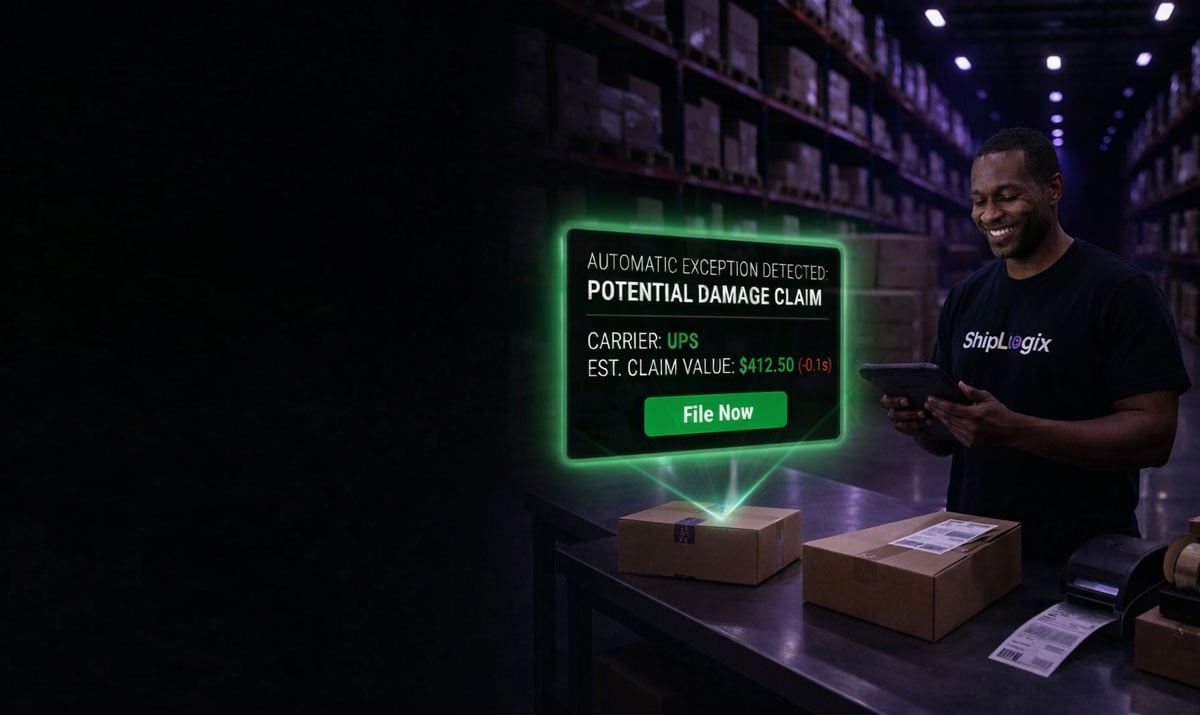
For growing e-commerce brands, self-fulfillment is a rite of passage. In the early stages, packing orders in a garage, spare bedroom, or leased commercial bay gives founders complete control over the unboxing experience, quality assurance, and customer touchpoints.
However, as monthly order volume climbs from hundreds to thousands, that hands-on control quietly transforms into an operational bottleneck. What began as a cost-saving measure quickly becomes a tax on executive leadership time, operational focus, and capital expenditure.
Uncovering the hidden expenses of self-fulfillment requires evaluating the real financial trade-offs between in-house vs 3PL shipping, establishing clear operational tipping points, and understanding when to outsource fulfillment to protect your profit margins and scale sustainably.
The Invisible Expenses of Self-Fulfillment
When founders calculate the cost of self-fulfillment, they often stop at basic expenses: warehouse rent, packing tape, boxes, and hourly labor. This surface-level view overlooks several substantial, hidden cost drivers that quietly erode margins:
- 1. Carrier Rate Disadvantages: Major carriers (UPS, FedEx, USPS, DHL) award deep discounts based on aggregate shipping volume. A brand shipping 500 orders per month operates at entry-level rate tiers. Conversely, enterprise logistics partners process millions of packages annually, unlocking Tier-1 volume discounts on base freight, fuel surcharges, and residential delivery penalties. Even after a 3PL adds a standard pick-and-pack fee, their negotiated shipping discounts frequently offset the operational costs entirely.
- 2. Capital Lock-Up & Fixed Overhead: In-house operations turn fulfillment into a fixed cost. Whether you ship 2,000 packages in November or 200 in January, your warehouse lease, utility bills, WMS software subscriptions, and core staff payroll remain static. Outsourcing converts these rigid overhead expenses into a flexible, variable cost model—you pay strictly for the storage footprint and order volume you use each month.
- 3. Executive Opportunity Cost: Every hour a founder, CMO, or head of product spends printing shipping labels, building boxes, or resolving carrier claims is an hour not spent on customer acquisition, product development, or marketing strategy. The highest cost of self-fulfillment is rarely the physical box—it is the strategic growth abandoned while managing warehouse operations.
In-House vs 3PL Shipping: Financial Breakdown
Comparing self-fulfillment against a professional 3PL partner reveals how operational costs shift from fixed assets to unit-level predictability:
| Cost Component | In-House Operations | Outsourced (3PL) Partner | Margin Impact |
|---|---|---|---|
| Facility Lease | Fixed monthly commitment ($3,000–$15,000+/mo) | Scalable pay-per-pallet or per-bin storage | Converts fixed overhead to variable expense |
| Shipping Rates | Retail or low-tier commercial volume rates | Tier-1 enterprise volume discounts | $1.50–$4.00+ saved per parcel |
| Warehouse Labor | Hourly wages, benefits, payroll taxes, hiring costs | Included in per-pick / per-pack fee | Eliminates overtime spikes & staffing churn |
| Packaging & Supplies | Small-batch purchasing pricing | Bulk enterprise sourcing discounts | 15%–30% lower unit supply costs |
| Software & WMS | Individual licenses ($300–$1,500/mo) | Integrated into service ecosystem | Zero direct software maintenance costs |
4 Operational Triggers: When to Outsource Fulfillment
Knowing precisely when to transition away from in-house shipping prevents costly fulfillment failures during peak growth phases. Watch for these four critical operational triggers:
Trigger 1: Order Volume Crosses 500–1,000 Shipments Per Month
At this threshold, manual packing workflows reach capacity. Maintaining fulfillment velocity requires hiring dedicated warehouse staff, purchasing specialized packing hardware, and licensing enterprise WMS software.
Trigger 2: Shipping Zones Limit Delivery Speed
If your single warehouse location forces regional customers into 4-to-6-day ground delivery transit times, cart abandonment rates rise significantly. Modern e-commerce consumers expect 2-day ground shipping. A multi-node 3PL enables strategic inventory distribution across key regions, shortening transit times without expensive air express upgrades.
Trigger 3: Peak Season Causes Operational Bottlenecks
If seasonal sales spikes force office personnel onto the warehouse floor to meet shipping cutoffs, your infrastructure is holding back growth. Professional logistics providers scale labor up or down seamlessly to maintain strict same-day cutoff SLAs during high-volume promotional events.
Trigger 4: Stockouts & Order Errors Rise Above 1%
Mispicks, unrecorded inventory variance, and delayed dock-to-stock times directly hurt customer retention and brand equity. A specialized logistics provider delivers standard picking accuracy rates above 99.8%, backed by automated verification tools and barcode scanning workflows.
Self-Fulfillment Readiness Assessment
Use this scorecard to evaluate whether your current setup supports long-term brand growth or demands an immediate transition.
- [ ] Daily Order Capacity: Your team consistently packs and ships all incoming orders before daily carrier cutoffs without requiring administrative staff assistance.
- [ ] Shipping Expense Control: Your total landed shipping costs reflect competitive volume-tier discounts across all domestic delivery zones.
- [ ] Storage Footprint Flexibility: Storage space scales smoothly during peak promotional seasons without leaving excess, unused square footage during slow quarters.
- [ ] Inventory Accuracy: Physical cycle counts match your e-commerce platform inventory levels within a 0.2%margin of error.
- [ ] Core Focus Alignment: Executive leadership spends less than 5% of weekly working hours managing warehouse operations, staffing, or freight claims.
Assessment Result: If you unchecked two or more boxes above, your current in-house setup is likely costing more in hidden overhead and lost growth than an outsourced fulfillment partner.
Scaling Your Operations with ShipLogix
Making the move from in-house shipping to an external logistics partner does not mean giving up quality control—it means building a resilient foundation for long-term growth.
At ShipLogix, we provide growing e-commerce brands with modern fulfillment solutions designed around operational clarity. By combining real-time WMS integrations and Tier-1 carrier volume pricing with strict SLA guarantees, we help you eliminate warehouse management stress, cut per-order shipping expenses, and focus on building your brand.
Ready to calculate your exact cost-per-order savings?
Contact the ShipLogix team today for a custom, line-by-line fulfillment cost analysis. We will compare your current in-house shipping spend against our negotiated network rates to show you precisely where you can save.


Hi, this is a comment.
To get started with moderating, editing, and deleting comments, please visit the Comments screen in the dashboard.
Commenter avatars come from Gravatar.